Camping Stoves Compared: Gas, Liquid Fuel and Alcohol
Most stove debates start in a shop and end on a hillside in the rain, with cold hands and a pan of water that refuses to boil. The type of stove you carry matters far more than the brand: it decides what you can buy on the way, how much you lug up a hill, and whether you eat hot food in February or settle for a sad cereal bar. Here is how gas, liquid fuel and alcohol stoves actually compare for camping in Britain.
The three families, briefly
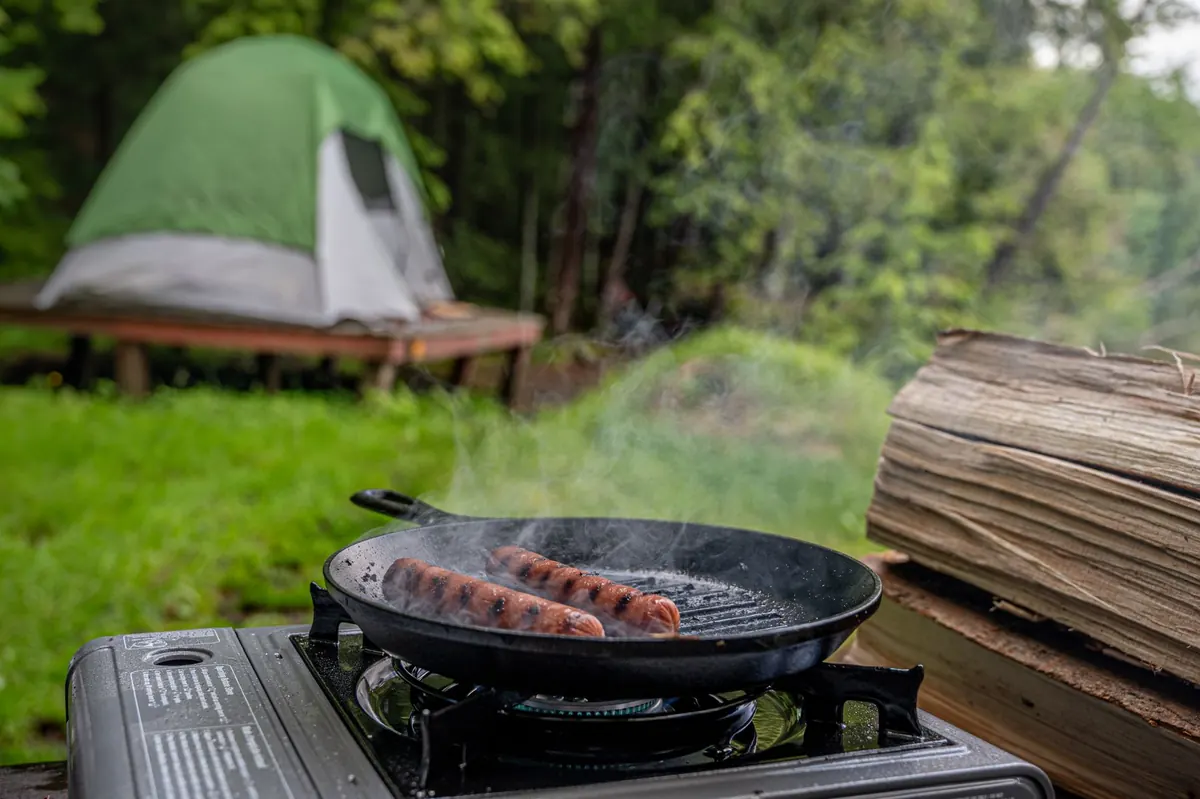
Gas means screw-on or clip-on canisters, usually a butane and propane mix, feeding a burner that screws straight onto the top or sits on a hose. Liquid fuel means a stove that burns white gas, petrol, panel-wipe type solvents or paraffin, drawn from a refillable bottle you pump up. Alcohol means meths or bioethanol burning in a simple open burner, sometimes with a primer pan, as on a Trangia.
Each has a personality. Gas is convenient, liquid fuel is powerful and reliable in the cold, alcohol is quiet, cheap and almost indestructible.
Weight and pack size
If you are carrying everything on your back, the maths is about the whole system, not the burner alone. A gas stove is light: a small titanium burner with a pot support can weigh under 100g, and the canister doubles as your fuel container and often your pot stand. A 230g canister is a tidy cylinder that packs inside a pot. That is hard to beat for a weekend.
Alcohol is lighter still in theory. A homemade or bought meths burner can weigh 30–60g and a Trangia-style setup is barely more. The catch is fuel volume: alcohol carries noticeably less energy per gram than gas, so a week's worth of meths takes up more room than the equivalent gas canisters, and you need a bottle that will not leak.
Liquid fuel is the heavyweight. The stove itself is heavier, the pump and fuel bottle add more, and you need a windscreen and often a separate priming routine. What you gain is fuel that does not come in disposable cans, so a long trip with a single litre bottle becomes efficient. For two nights, it is overkill. For ten days off-grid, it stops being a burden.
Fuel availability around Britain
This is where British campers have a real advantage: you are rarely far from a shop.
- Gas canisters: widely stocked by outdoor shops, some supermarkets, hardware stores and petrol stations. The common threaded type (often called EN 417) is easy to find; the cheaper click-on types fit only certain stoves, so check before you travel.
- Meths and bioethanol: sold in hardware shops, DIY stores, some chemists and chandlers. Easy to top up in towns, harder to find in remote villages.
- Liquid fuel: petrol is everywhere, though it is not ideal in all stoves. Cleaner options such as Coleman fuel, Aspen 4 and similar white-gas substitutes need an outdoor shop or a specialist supplier, so plan ahead rather than hoping.
One practical tip: never assume a rural garage sells canisters. Buy your fuel before the last big town, and if you are flying anywhere, remember that fuel and canisters cannot go in luggage — sort it out at the other end.
Cold weather performance
This is the section that decides winter trips. Butane stops turning to vapour at around freezing, so a standard butane-rich canister gets progressively weaker as the temperature drops. Isobutane performs better, and propane better still, which is why winter gas mixes carry more propane. Even then, output falls off as the canister chills through use.
You can work around it: keep the canister in your sleeping bag overnight, start with a fresh one, sit it in a shallow dish of water, or choose a stove with a preheat coil that runs off an inverted canister so liquid fuel feeds the burner. All of these help, but they are fiddly when your fingers are numb.
Liquid fuel shrugs off the cold. Pump pressure and a preheated generator mean it burns hard at minus ten, and a litre bottle keeps going for days. The trade-off is priming: you release a little fuel and light it to warm the burner, which flares, smells and needs care. It is a routine worth practising at home in daylight before you do it in a snowy porch.
Alcohol is reliable in the sense that it will always light, but it is slow and low-powered, and cold weather makes it worse. A Trangia in winter is a patient person's stove: fine for a hot drink, tedious for a proper meal. Wind is the bigger enemy for all three, so carry a decent windscreen and use it every time.
Cost and everyday faff
Gas has a low entry price and cheap fuel per meal, but you pay for the convenience of disposable canisters and you cannot refill them. Alcohol is the cheapest to buy and the cheapest to run, and meths is available in most towns. Liquid fuel sits in the middle: the stove costs more, the fuel is not cheap, but the bottle is reusable and lasts for years if you look after it.
Think about the faff factor too. Gas is a twist and a click. Alcohol needs measuring, sometimes priming, and its flame is nearly invisible in daylight. Liquid fuel needs pumping, priming, and occasional jet cleaning and O-ring care. Choose the level of fuss you will genuinely tolerate at 6am in the rain.
Which stove suits which trip
- Weekend car camping: a simple gas stove with a hose and a stable base.
- Three-season backpacking: a lightweight canister stove, one canister per person per few days.
- Winter hills or long expeditions: liquid fuel, or a gas stove designed to run on inverted canisters.
- DofE, bothies and quiet camps: alcohol, plus a good windscreen and a spare bottle of meths.
- Mixed trips: many people own two stoves, and that is not extravagance — it is matching the tool to the job.
Safety, site rules and a sensible note
Never burn any stove inside a tent, including in the porch with the door zipped shut. Carbon monoxide is invisible and kills quietly, and tents are not ventilated enough to make it safe. Cook outside, or in a well-ventilated open shelter. Keep flames away from nylon, never refill a hot stove, and let a liquid-fuel stove cool fully before you pack it.
Check campsite rules before you book. Many sites allow stoves but ban open fires and disposable barbecues, and some have designated cooking areas. If you are unsure about fuel storage, ventilation or what a site permits, ask the site directly — a quick email saves an awkward evening.
Picking the one that fits
If you want one stove for most British camping, a mid-weight gas stove with a hose, a windscreen and a folding base will serve you well from April to October. Add a liquid-fuel stove if you camp in winter, and an alcohol burner if you value silence, simplicity and low cost over speed. Buy fuel before the last town, practise lighting it before you need it, and cook outside. Do that and you will eat hot food whatever the forecast does.
Photo: Jackie A / Pexels
You Might Also Like
A practical guide to planning a first three-day Lake District hike, covering route choice, realistic daily distances, beds, resupply and what to do when plans change.
Trekking poles spare your knees on descents and steady you on rough ground — but only with the right height, technique and a clear idea of when to leave them behind.