Bouldering vs Sport Climbing: Which Should You Try First?
Bouldering and sport climbing sit under the same broad roof, but they ask for different things. Bouldering is short, rope-free and often done alone above a padded mat. Sport climbing means a rope, bolted protection and a partner holding the other end of it while you work a route that may run for twenty metres or more. Neither is the "proper" way in. The right first discipline is the one that fits your time, your budget and the people around you.
Two sports, one wall
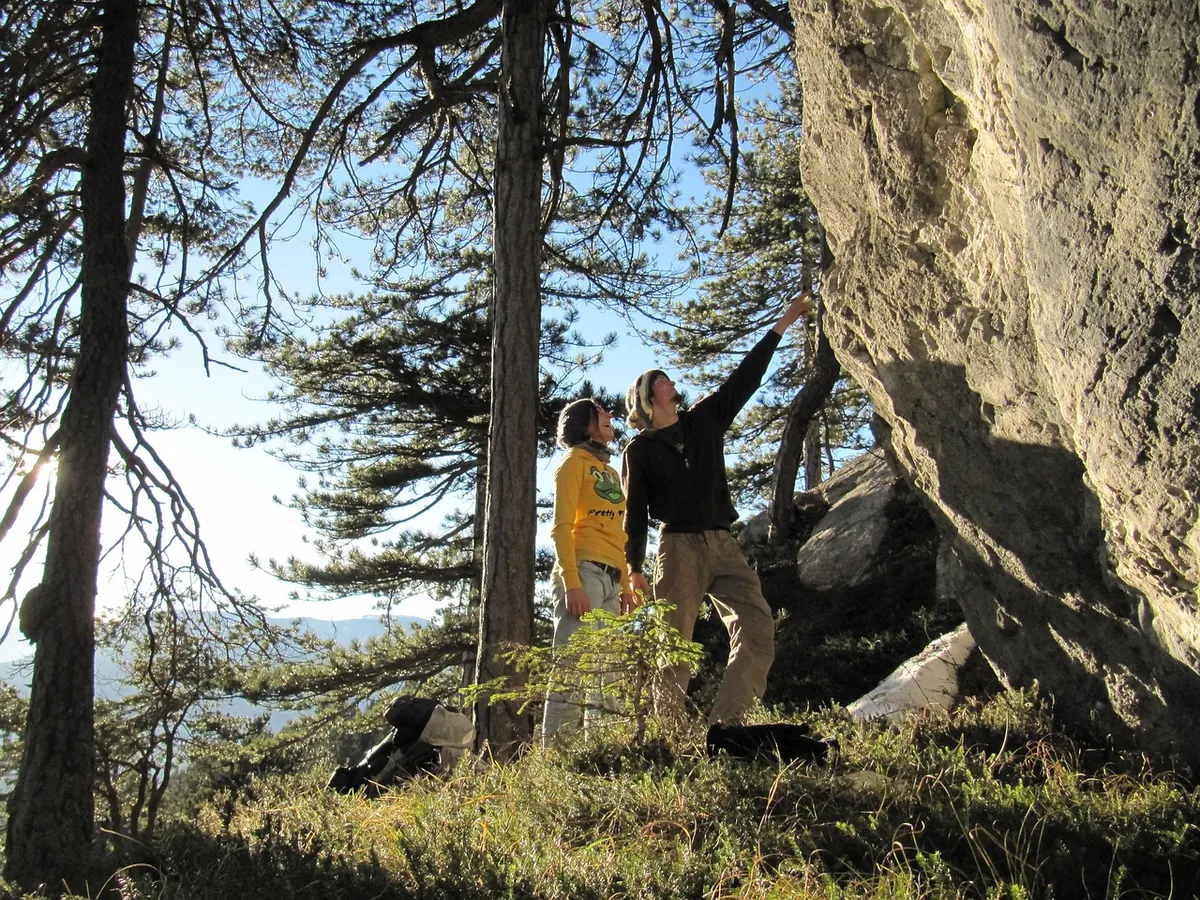
Bouldering happens on short sections of rock, low enough that falling off lands you on a mat rather than on a rope. You climb, you drop, you rest, you try again. The moves are often powerful, and a single problem might be solved in minutes.
Sport climbing is roped climbing on routes that have been permanently protected with bolts. You clip the rope through quickdraws as you climb, and your belayer takes in the slack below. Routes commonly run from about ten to thirty metres, which is long enough that endurance and pacing matter as much as raw strength. Top-rope climbing, where the rope is already waiting at the top, is the gentler cousin and usually the first step indoors.
Gear: what you actually need
The gear gap between the two is real, and it shapes how quickly you can get started.
Bouldering kit
- Climbing shoes — the one thing worth buying early
- Chalk, in a bag or as liquid chalk
- A brush for cleaning holds
- A crash pad if you're heading outdoors; many gyms lend pads, and some crags have them to borrow
- Tape for the torn skin that eventually finds every new climber
Sport climbing kit
- Shoes, chalk and a small bag
- Harness and a belay device with a locking carabiner
- Helmet
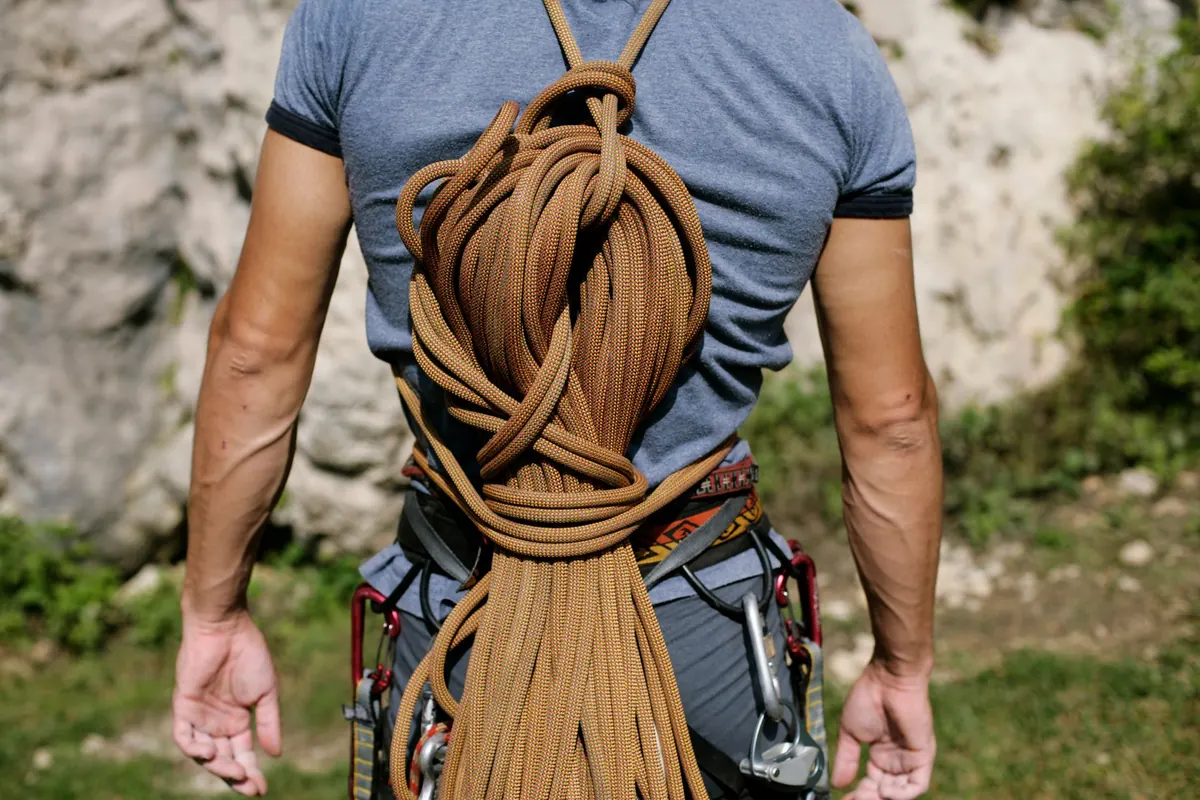
- A single rope of the right length for the routes you're climbing
- Quickdraws if you're leading, plus something to clip into at the anchor for lowering off
Don't buy all of it at once. Gyms rent harnesses, belay devices and sometimes ropes, and many top-rope walls have ropes in place already. If you buy second-hand, be cautious with anything life-bearing. Ropes, slings and harnesses have unknown histories, and manufacturers publish retirement guidance for a reason.
What each one costs
Bouldering is the cheaper start by a wide margin. Shoes and chalk will carry you through months of indoor sessions, and the entry fee is the main ongoing cost.
Sport climbing adds a rope, harness, belay kit and — for lead — quickdraws. That's a bigger upfront outlay, though it spreads easily. Most people buy shoes first, hire or borrow the rest, and add pieces as they go. A steady partner helps: one rope and one set of draws usually covers both of you.
Ongoing costs differ too. Sport climbing wears things out. Ropes age, slings fray, draws get scratched, and there's fuel and guidebooks to think about. Bouldering's ongoing cost is mostly wall time and shoes, which wear faster than you'd expect thanks to all that smearing.
Prices vary by region, gym and season, so check locally before committing to a kit list. If money is tight, spend it on instruction before hardware — good habits cost nothing to keep and are expensive to unlearn.
Fitness: short and sharp, or long and steady
Bouldering rewards power
Expect brief, intense efforts: a handful of hard moves and you're off. Finger and upper-body strength help, but technique and footwork matter more than most beginners realise. Sessions can be short, which suits busy weeks. Bouldering also loads fingers and tendons, and those adapt more slowly than muscle, so build up gradually and stop when your grip fades. Persistent finger pain deserves a proper assessment from a physiotherapist or doctor rather than another session.
Sport climbing rewards endurance and nerve
Sport routes ask you to keep climbing while your forearms fill up. Pacing, finding rests, breathing and clipping without wasting energy all count. There's a mental layer as well: leading means falling, and learning to fall safely and trust your belayer is part of the skill set. If heights make you uneasy, top-roping first is a sensible way in.
The learning curve
Bouldering is the easiest entry point in climbing. Rent shoes, watch what other people are doing, and you're on the wall within minutes. No partner, no course, no knots. The catch is the habits it can build. Because problems are short, it's easy to muscle your way up and never learn to climb efficiently, so add downclimbing and quiet feet to your sessions from day one.
Sport climbing needs a few taught skills before it becomes fun: belaying, tying in, clear communication, and for lead climbing, clipping, rope management and falling. A gym course or a session with a qualified instructor covers this, and it's worth doing properly rather than learning from a friend who is also learning. Once the basics are solid, progression is mostly mileage — climb lots of routes on lots of angles.
So which should you try first?
- No regular partner? Bouldering. It's sociable but perfectly solo-friendly.
- Nervous about falling? Bouldering first, then top-rope sport, then lead.
- Keen to be outdoors soon? A guided sport day or a learn-to-lead course gets you there safely.
- Working to a tight budget? Bouldering, with rented shoes.
- Drawn to long routes and big views? Sport climbing, once you've learned the ropes.
- Can't decide? Do both. A midweek bouldering session builds strength for weekend routes, and route mileage builds the endurance bouldering alone won't give you.
A simple plan for your first month
- Book an induction or taster session at your nearest wall. Most include shoe hire.
- Boulder once or twice a week for a few weeks. Keep sessions short and finish before your hands are wrecked.
- Take a belay or top-rope course. Learn to tie in, belay and check your partner's knot properly every time.
- Buy shoes. Borrow or hire everything else until you know you'll stick with it.
- Try a lead course once top-roping feels calm rather than daunting.
- Go outdoors with someone experienced or a qualified guide. Crag etiquette, anchors and lowering off are best learned in person.
Whichever you choose, the first few months are about time on the wall, not gear. Ask questions at the gym, climb with people better than you, and be honest about your limits. If something hurts in a way that doesn't settle, get it looked at by a professional.
Photo: Scros / Pixabay
You Might Also Like
A practical guide to planning a first three-day Lake District hike, covering route choice, realistic daily distances, beds, resupply and what to do when plans change.
Gas, liquid fuel and alcohol stoves each shine in different conditions. We compare weight, fuel availability, cold-weather performance and cost for British camping trips.